Currently editing:
James Curry's Post One Podcast Links & Podcast background historical information
Gabarone (R6) Helsinki (R1) Rome-Holy Sea (R5), Tokyo(R3), Jakarta (R3), Seoul (R3), Kuala Lumpur (R2), Colombo (R2), Montevideo (R4), Santo Domingo (R4)
MSG HISTORY VOLUNTEERS ARE NEEDED : Research and display content for the MSG History Archives: Contact history@msghistory.com
Return/GoTo http://www.embassymarine.org (MEGA Home Page)
Detachment Photos: Photo Album
Contact MSG History: Seoul
Map: US Embassy Seoul
Marine Embassy Guard Association: MEGA
Marine Corps Embassy Security Group: MCESG
MCESG: Region 3
INSTAGRAM: US EMBASSY Seoul
FACEBOOK: US Embassy Seoul
FACEBOOK: MCESG MSGDuty Group
FACEBOOK: MEGA Group
Together-We-Served: Seoul
POTUS visits to South Korea
SECSTATE visits to South Korea
List of US Ambassadors to South Korea
Natural Disasters to South Korea
Terrorism in South Korea
COUNTRY INFORMATION
YouTube: (March 2026): EMBASSY AMBUSHED: Anti-War Protestors Storm US Embassy In Seoul, Slams Trump & Israel's War On Iran
YouTube: (2026) SOUTH KOREA TRAVEL (2026) | Top Places To Visit In South Korea (+ Itineraries & Travel Tips)
YouTube: (March 2026) Protesters Outside Embassy
YouTube: (2025) SEOUL, SOUTH KOREA (2026) | 15 Best Things To Do In & Around Seoul (+ Travel Tips)
YouTube: (Dec 2025) Full Interview: Former acting U.S. ambassador to South Korea Joseph Yun
Diplomatic relations were established on March 25, 1949
The US Embassy was built in 1962
U.S. Embassy: South Korea
Britannica: Seoul/ South Korea
Google: Seoul/ South Korea
Wikipedia: Seoul/ South Korea
DOS History: South Korea
Travel: Seoul / South Korea
Time: South Korea
Weather: Seoul / South Korea
Phrase Book: South Korea
Google News: Seoul / South Korea
INCIDENTS AFFECTING THE US EMBASSY SEOUL
SOURCE: GEMINI.AI
The Seoul post is a cornerstone of the MSG program, representing one of the first locations where Marines stood watch in 1949. The history of the Seoul detachment is a narrative of rapid evacuations, massive student uprisings, and a transition from a war-torn legation to one of the most high-tech compounds in the world.
1. The "Yellow Footprints" of 1949 and the 1950 Evacuation
Seoul was part of the original 1949 rollout of the modern Marine Security Guard program.
The Plank Holder: One of the original "plank holders" was George V. Lampman, who was on duty in Seoul on the morning of June 25, 1950, when North Korean forces crossed the 38th parallel.
The Incident: As the North Korean People's Army (NKPA) reached the outskirts of Seoul, the MSG detachment was tasked with the immediate evacuation of the U.S. Embassy and American citizens.
Legacy: Lampman and his team were among the last to leave the city, ensuring that classified materials were destroyed before the mission was overrun. Lampman visited the Seoul detachment again in 2015 to share this story with the current team.
2. The USIS Library Occupation (May 23–26, 1985)
This is a critical "Combat/Crisis" entry for your archives. 73 South Korean students from five universities forced their way into the United States Information Services (USIS) library, located near the main embassy.
The Siege: The students barricaded themselves on the second floor for three days, demanding a U.S. apology for the "Kwangju Incident" of 1980.
MSG Role: While State Department negotiators like Harry Dunlop handled the talks, the MSG detachment was responsible for the interior security of the building and preventing a breach of the Chancery itself.
The Outcome: The students surrendered peacefully on May 26, but the event fundamentally changed the security setback requirements for the Seoul post.
3. The 2019 "Ladder" Breach
In modern history, the Seoul post has faced frequent "non-kinetic" breaches by activists.
The Incident (Oct 18, 2019): 19 students used ladders to scale the walls of the U.S. Ambassador’s residence (Habib House).
Tactical Response: While Korean police were criticized for their slow response, the MSG detachment had to secure the interior of the residence. This incident led to a formal request from the U.S. government for the South Korean National Police to significantly increase their outer-perimeter presence.
Seoul "Who’s Who"
George V. Lampman: 1949–1950
Original "Plank Holder"; on duty during the 1950 invasion.
John Clark 1985:
MSG Battalion member during the USIS Library siege
Lloyd Smith 1985
MSG Battalion member during the USIS Library siege.
Col Walter E. Boomer 1985:
CO of the MSG Battalion (Later Gen. Boomer).
Sgt Ronald Sutliff 1980s:
Served during the intense "Student Protest" years.
The Seoul Detachment is authorized to wear the Meritorious Unit Commendation (MUC) with multiple Bronze Stars.
1979–1984: For maintaining security during the assassination of President Park Chung-hee and the subsequent military coup.
1989–1990: For excellence in security during the transitional period of Korean democratization.
2001–2004: For post-9/11 "Worldwide Caution" posture.
The Architecture of the Seoul Mission
The Current Chancery: Located at 188 Sejong-daero, Gwanghwamun. Built in 1962, it was originally a USAID building. It is famous for its "Sister Building" next door, which is now the National Museum of Korean Contemporary History.
Habib House: The Ambassador's residence is a unique hanok (traditional Korean house) built in 1974, named after Ambassador Philip Habib.
The Future (Camp Coiner): As of April 2026, construction plans are finalizing for the new embassy compound at Camp Coiner (part of the Yongsan Garrison), which will finally move the mission away from the congested Gwanghwamun square.
Current Security Posture: April 22, 2026
MSG Detachment Seoul is operating under a "Heightened Awareness" status.
Regional Tension: Following the "Worldwide Caution" issued on March 22, 2026, the embassy is monitoring local sentiment regarding U.S. maritime operations in the Middle East.
Local Alerts: The RSO has issued notifications for personnel to avoid the Gwanghwamun area on weekends due to "spontaneous demonstrations" by student groups, a recurring theme in your historical logs.
Historical Note from the 1950's evacuation logs: The transition from a "Legation" to an "Embassy" in the middle of a retreat is one of the most technical logistical feats in the Marine Security Guard 75-year history.
DETACHMENT HISTORICAL TIMELINE
2026
Detachment Commander:
Watchstanders:
2026
Detachment Commander:
Watchstanders:
2026
Detachment Commander:
Watchstanders:
2026
Detachment Commander:
Watchstanders:
2026
Detachment Commander:
Watchstanders:
2026
Detachment Commander:
Watchstanders:
2026
Detachment Commander:
Watchstanders:
2026
Detachment Commander:
Watchstanders:
2026
Detachment Commander:
Watchstanders:
2026
Detachment Commander:
Watchstanders:
2026
Detachment Commander:
Watchstanders:
2026
Detachment Commander:
Watchstanders:
2026
Detachment Commander:
Watchstanders:
Seoul, South Korea
MCESG Region 3 (MSGBn Company C)
(Volunteer Detachment Archivist Needed)
Send updates / corrections to history@msghistory.com
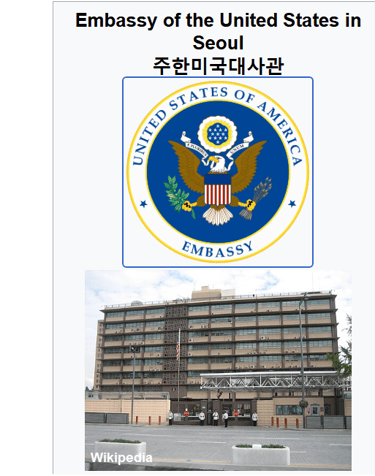
Photo Album
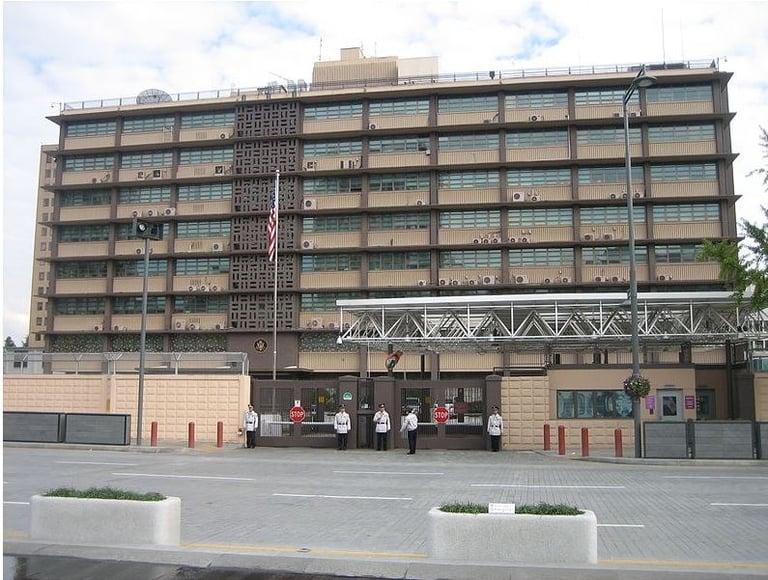
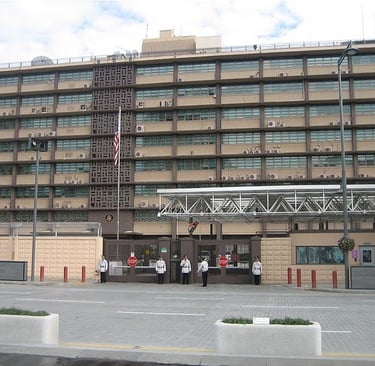
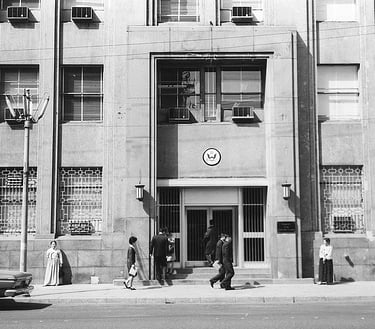
1) American Embassy Seoul
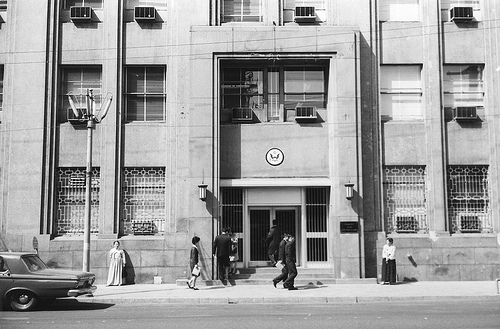
2) 1965 - American Embassy near Bando Hotel
3) 1973 - MC Ball Flag Detail
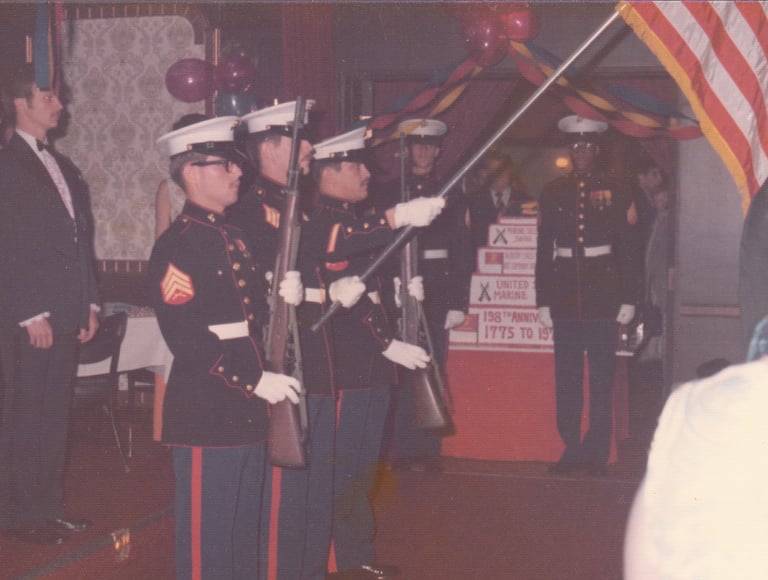
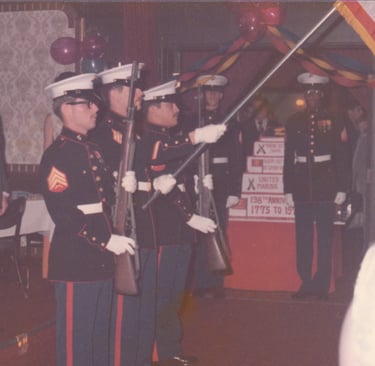
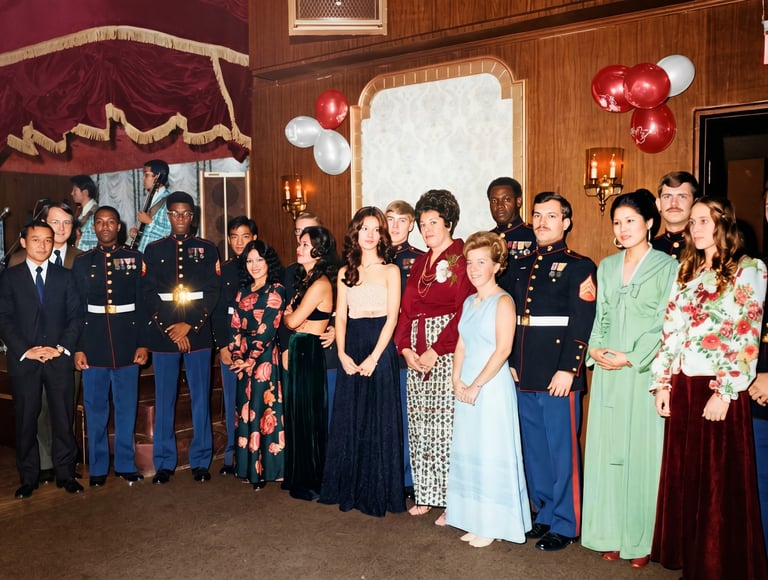
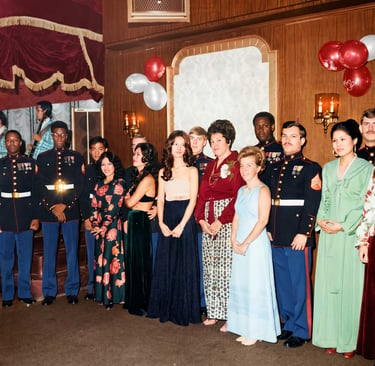
1) 1973 MC Ball Marines & Dates
2) 1973 - MC Ball Receiving Line
3) 1973 - MC Ball Cake Ceremony
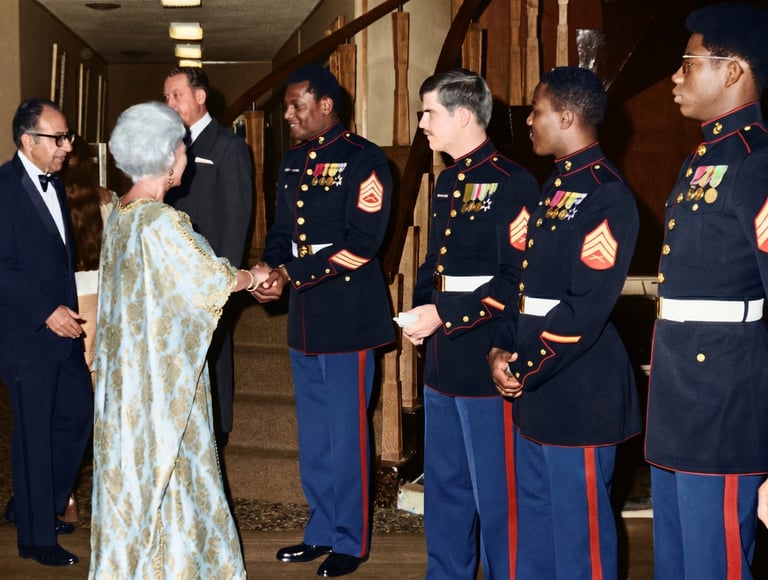
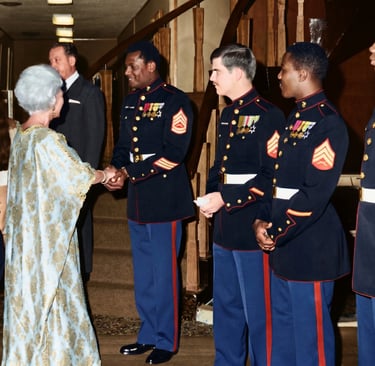
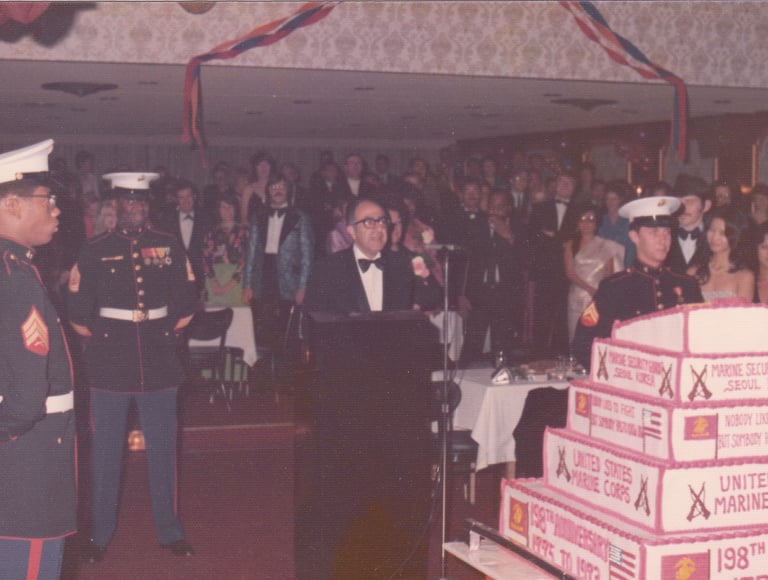
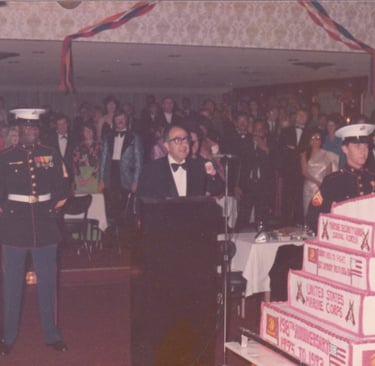
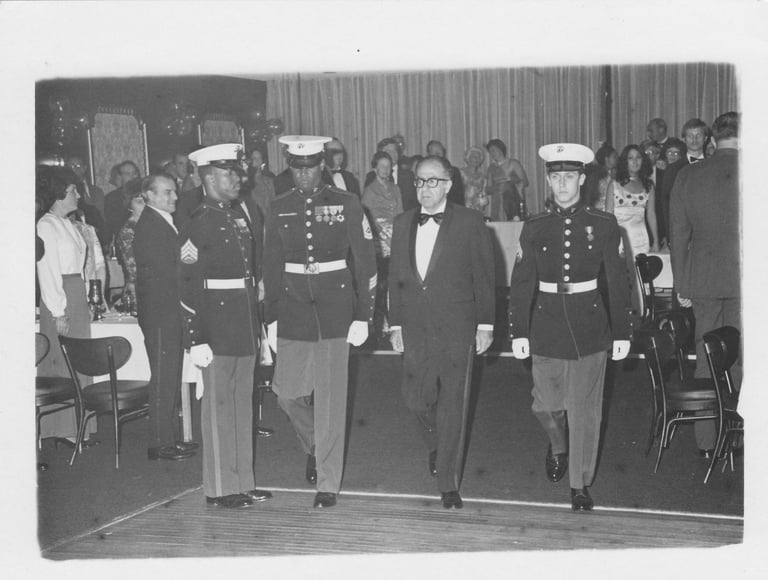
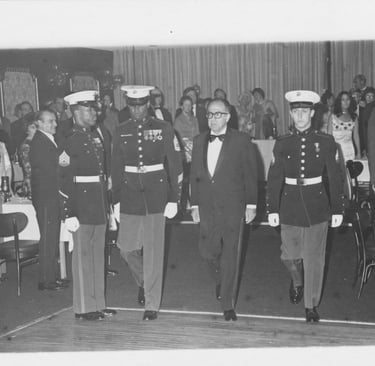
1) 1973 MC Ball GySgt Montgomery & Amb.
2) 1985 Ambassador, USMC Commandant & MSG Detachment
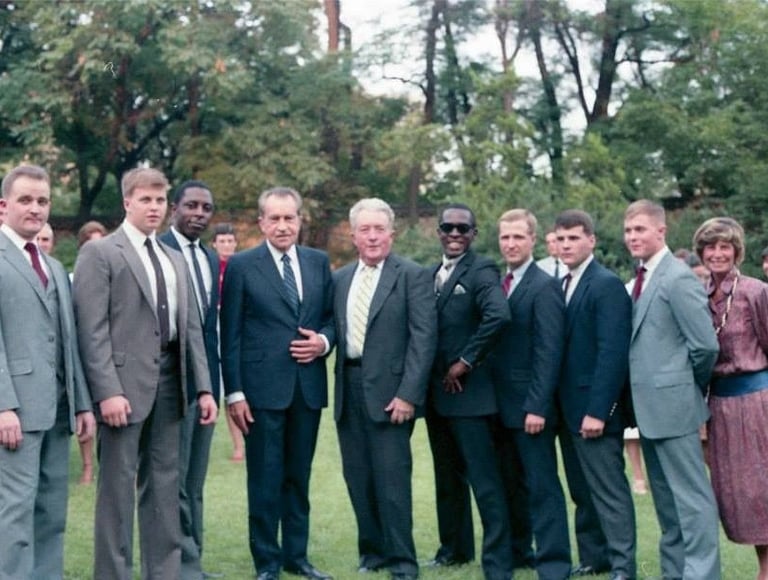
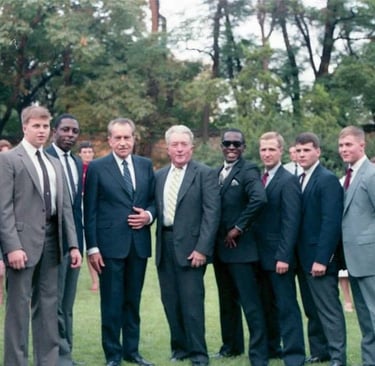
3) 1985 POTUS Nixon, US Ambassador & MSG Detachment
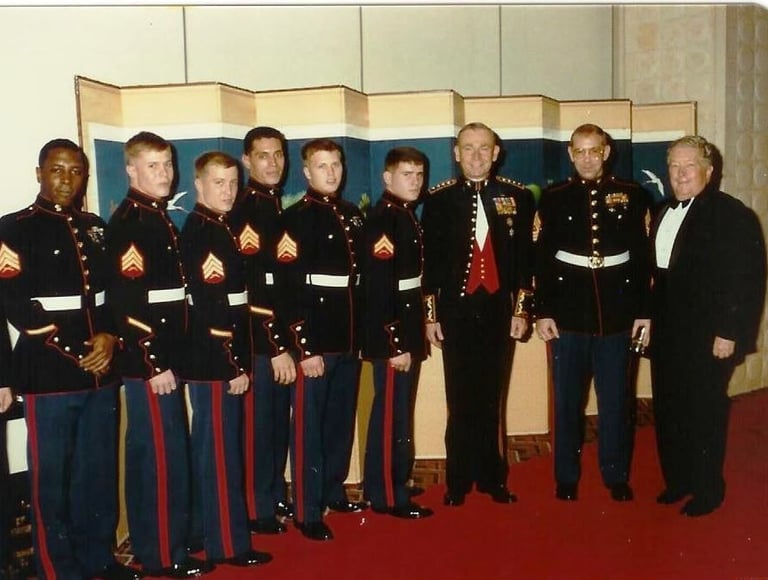
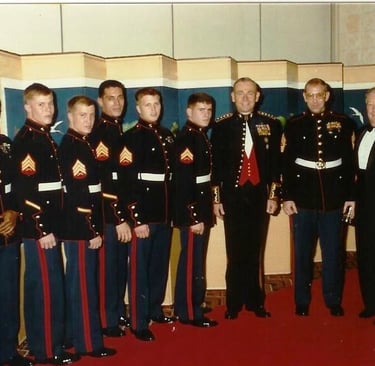
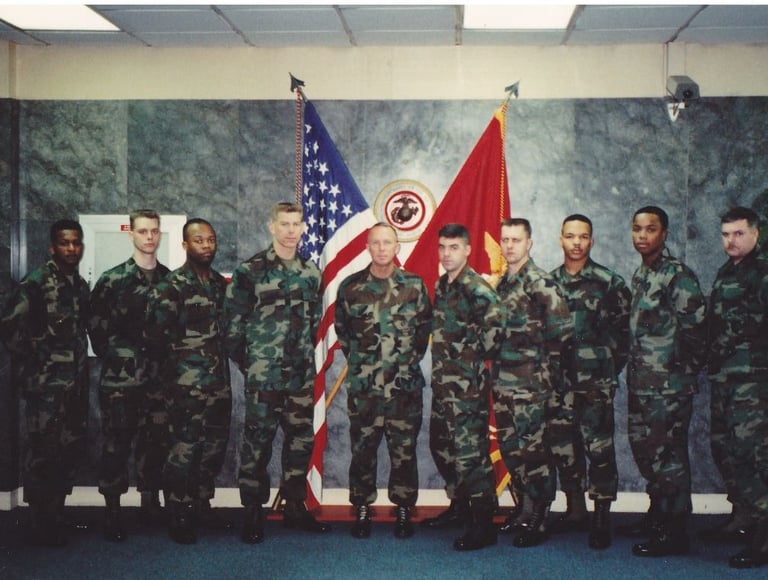
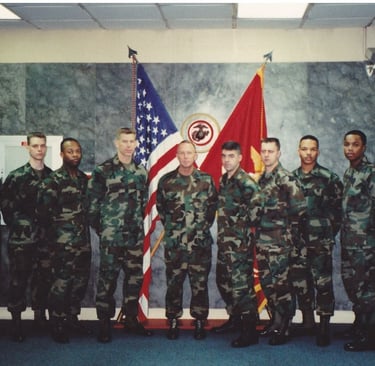
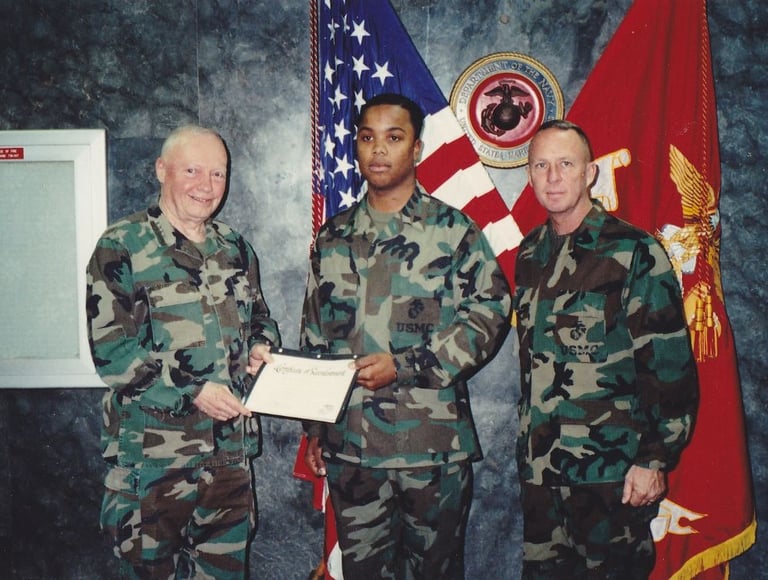
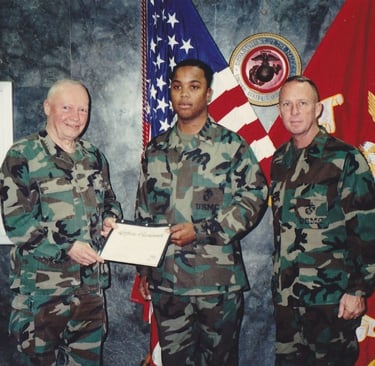
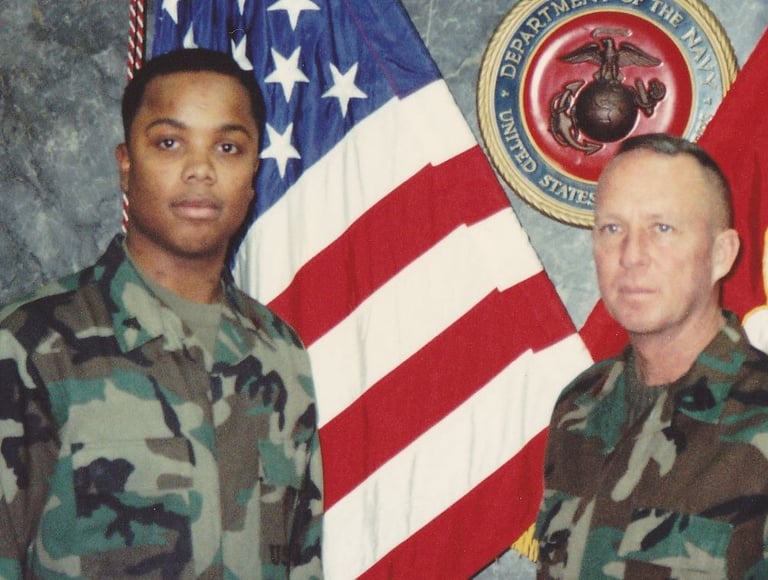
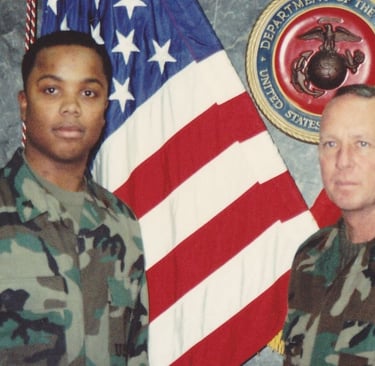
1) 1991 - Commandant Grey, Cpl Ferguson, SgtMaj USMC Sommers
2) 1991 - SgtMaj of the Marine Corps & Corporal Ferguson
3) 1991 - Sergeant Major of the Marine Corps Sommers and Detachment
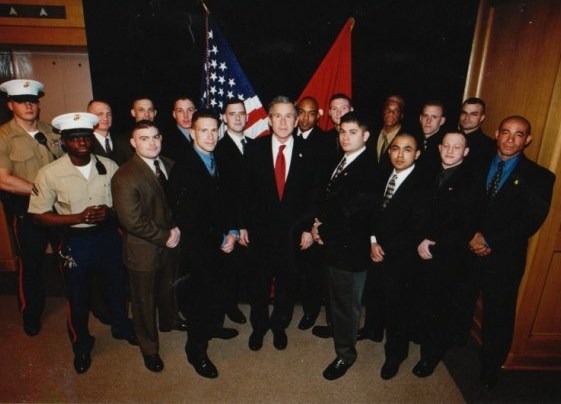
1) 2001 - POTUS Bush with detachment
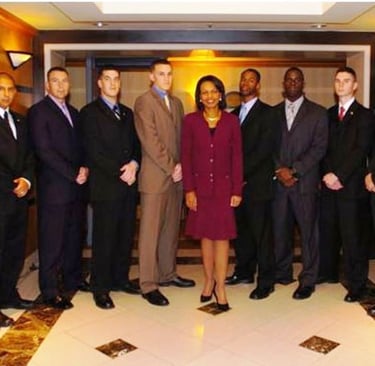
2) 2006 - SECSTATE Rice with detachment
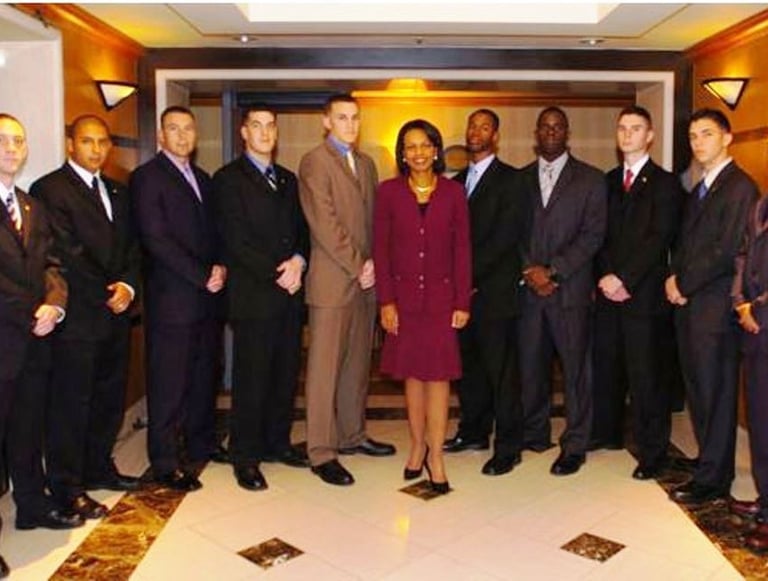
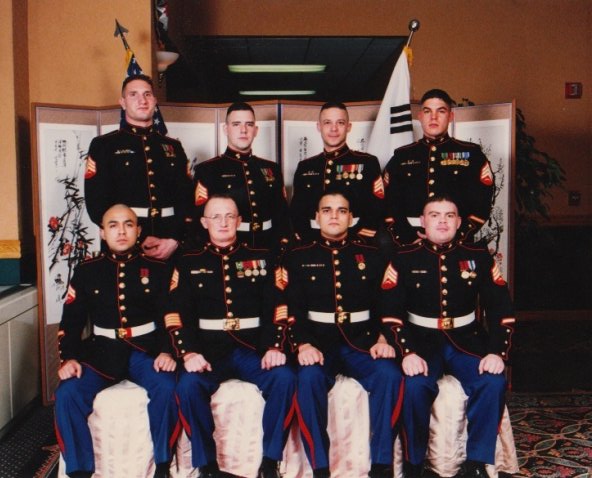
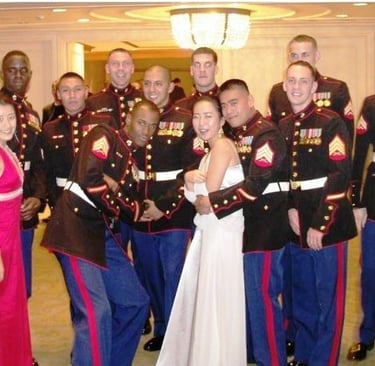
1) 2001 - Detachment Photo
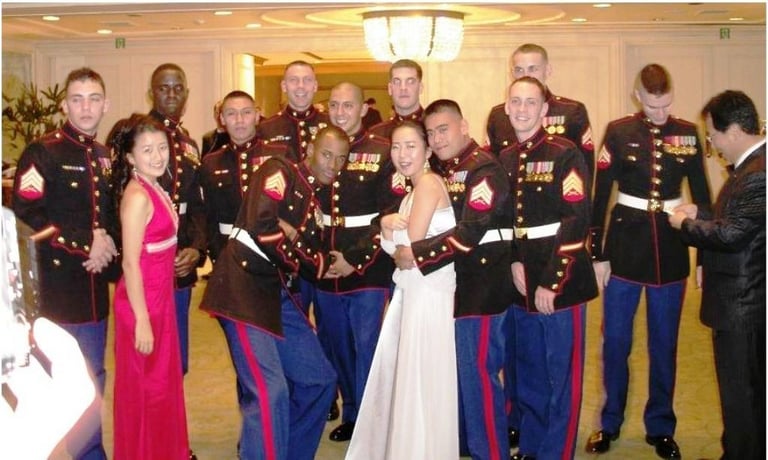
2) 2006 - MCB Detachment Photo