Currently editing:
James Curry's Post One Podcast Links & Podcast background historical information
Gabarone (R6) Helsinki (R1) Rome-Holy Sea (R5), Tokyo(R3), Jakarta (R3), Seoul (R3), Kuala Lumpur (R2), Colombo (R2), Montevideo (R4), Santo Domingo (R4)
MSG HISTORY VOLUNTEERS ARE NEEDED : Research and display content for the MSG History Archives: Contact history@msghistory.com
Return/GoTo http://www.embassymarine.org (MEGA Home Page)
Montevideo, Uruguay
Detachment Photos: Photo Album
Contact MSG History: Montevideo
Map: US Embassy Montevideo
INSTAGRAM: US EMBASSY Montevideo
FACEBOOK: US Embassy Montevideo
FACEBOOK: MCESG MSGDuty Group
FACEBOOK: MEGA Group
Together-We-Served: MONTEVIDEO
POTUS visits to Uruguay
SECSTATE visits to Uruguay
List of US Ambassadors to Uruguay
List of Natural Disasters to Uruguay
List of Terror Incidents in Uruguay
COUNTRY INFORMATION
Diplomatic relations established: October 2, 1867,
Elevation of American Legation to Embassy Status: , January 11, 1941,
U.S. Embassy: Montevideo
Britannica: Montevideo / Uruguay
Google: Montevideo / Uruguay
Wikipedia: Montevideo / Uruguay
DOS History: Uruguay
Travel: Uruguay
Time: Uruguay
Weather: Uruguay
Phrase Book: Uruguay
Google News: Uruguay
Summary of Incidents affecting the US Embassy in Montevideo since 1949
Source: Gemini.ai
U.S. Embassy in Montevideo provides a fascinating study in "Brutalist" architecture as a response to the urban insurgency of the late 1960s. While Uruguay is often considered the "Switzerland of South America" today, the period since 1949 contains one of the most significant and tragic incidents in the history of the USAID Public Safety Program and the Marine Security Guard (MSG) mission.
The Architecture of Stability: Lauro Müller 1776
Before looking at the incidents, it is important to note the building itself, which was designed to be a "fortress of stability" during the Cold War.
The Pei Design: Inaugurated in November 1969, the current embassy building was designed by the world-renowned architect I.M. Pei.
Brutalist Strength: Built in the brutalist style, its heavy concrete mass and recessed entry levels were specifically designed to express "strength and stability" as the urban guerrilla threat from the Tupamaros (MLN) began to rise in Montevideo.
The Residence: In contrast, the Ambassador’s residence (completed in 1942) was built in the Federal style to resemble the White House, located directly across from the British Ambassador's residence.
Historical Timeline of Incidents (1949–Present)
1. The "Plan Satan" Kidnappings (July 31, 1970)
This was the most critical security failure in the post’s history. The Tupamaros launched a coordinated campaign to kidnap diplomatic personnel to force the release of 150 political prisoners.
The Mitrione Tragedy: Dan Mitrione, the Chief Public Safety Advisor for USAID (who worked closely with the embassy and local police), was kidnapped near his home. Despite the embassy’s efforts and the refusal of the Uruguayan government to negotiate, Mitrione was executed on August 10, 1970.
The Gordon Jones Escape: On the same morning as the Mitrione kidnapping, Gordon Jones (Second Secretary of the Embassy) was also targeted. In a moment of remarkable quick-thinking, Jones managed to jump from the kidnappers' truck and escape, avoiding a second hostage crisis for the mission.
2. The "Soft Golpe" and Military Coup (1973)
During the transition to military rule (1973–1985), the embassy faced a delicate security environment.
Post-Coup Posture: Following the dissolution of the General Assembly in June 1973, the embassy adopted a "low-key, business-as-usual" posture. While there were no direct attacks on the Lauro Müller building, the MSG detachment was on high alert as the military regime consolidated power and targeted leftist organizations.
3. The Elena Quinteros Incident (June 28, 1976)
Though this occurred at the Venezuelan Embassy, it fundamentally changed the security and diplomatic landscape in Montevideo. A teacher, Elena Quinteros, tried to seek asylum by leaping over the Venezuelan embassy fence but was dragged away by Uruguayan security forces. This event led Venezuela to sever ties with Uruguay and increased the pressure on the U.S. Embassy to distance itself from the regime's repressive tactics.
4. Global Anti-War Protests (February 15, 2003)
As part of the global movement against the Iraq War, the U.S. Embassy at Lauro Müller became the focal point for large-scale demonstrations in Montevideo. The brutalist design of the Pei building, with its wide setbacks, proved effective in maintaining a secure perimeter while allowing for the expression of public dissent.
5. Modern Recurring Disruptions (2025–2026)
In recent years, the security posture of the embassy has shifted toward managing urban civil disruptions and general crime.
Peñarol Anniversary (September 29): The annual founding anniversary of the Club Atlético Peñarol football club frequently results in violent clashes and disruptions near the embassy, requiring the RSO (Regional Security Office) to issue routine alerts.
The March of Silence (May 20): An annual massive, silent march demanding justice for the "disappeared" often passes near the diplomatic enclave. While peaceful, it requires a significant security presence to manage the thousands of participants.
DETACHMENT HISTORICAL TIMELINE
2025
Detachment Commander:
Watchstanders:
2010
Detachment Commander:
Watchstanders:
Brophy, Paul, SSgt 2006-10 Niamey, Tel Aviv, Montevideo / Clerk
2009
Detachment Commander:
Watchstanders:
Brophy, Paul, SSgt 2006-10 Niamey, Tel Aviv, Montevideo / Clerk
2013
Detachment Commander:
Watchstanders:
2013
Detachment Commander:
Watchstanders:
2013
Detachment Commander:
Watchstanders:
2000
Detachment Commander:
Watchstanders:
1999
Detachment Commander:
Watchstanders:
2004
Detachment Commander:
Watchstanders:
Bailey, Richard A., SSgt Almaty, Montevideo 2002-04 / 1142-Electrical Equipment Repair
2003
Detachment Commander:
Watchstanders:
Bailey, Richard A., SSgt Almaty, Montevideo 2002-04 / 1142-Electrical Equipment Repair
1993
Detachment Commander:
Watchstanders:
Alessi, Frank V., MGySgt 1990-93 Belgrade, Montevideo / 2149-Ordnance Vehicle Maintenance Chief
1992
Detachment Commander:
Watchstanders:
Alessi, Frank V., MGySgt 1990-93 Belgrade, Montevideo / 2149-Ordnance Vehicle Maintenance Chief
1981
Detachment Commander:
Watchstanders:
Andrus, Steven, Sgt Tegucigalpa, Montevideo 1979-81 / 0311-Rifleman
Bowers, Bert, MGySgt Montevideo, Havana 1980-82
1980
Detachment Commander
Watchstanders:
Andrus, Steven, Sgt Tegucigalpa, Montevideo 1979-81 / 0311-Rifleman
Pugh, David, SSgt, 1977-80 Sana'a, Montevideo / 0369-Infantry Unit Leader
1979
Detachment Commander:
Watchstanders:
Bowers, Bert, MGySgt Montevideo, Havana 1980-82
Pugh, David, SSgt, 1977-80 Sana'a, Montevideo / 0369-Infantry Unit Leader
1976
Detachment Commander:
Watchstanders:
Bayler, Frederick, Sgt Montevideo 1975-76
Larson, Dw, MSgt 1974-76 Buenos Aires, Montevideo
1975
Detachment Commander:
Watchstanders:
Bayler, Frederick, Sgt Montevideo 1975-76 / 639-Aviation Electrician
Larson, Dw, MSgt 1974-76 Buenos Aires, Montevideo
1974
Detachment Commander:
Watchstanders:
1973
Detachment Commander:
Watchstanders:
MCESG Region 4 (MSGBn Company D) (HQMC F Company)
(Volunteer Detachment Archivist Needed)
Send updates / corrections to history@msghistory.com
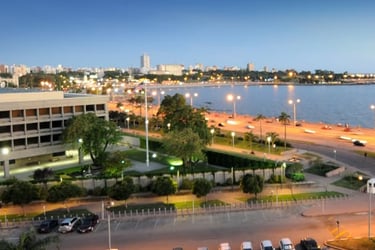
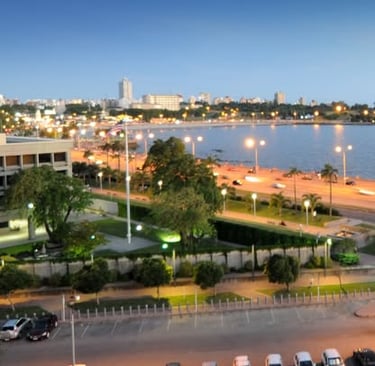
Photo Album
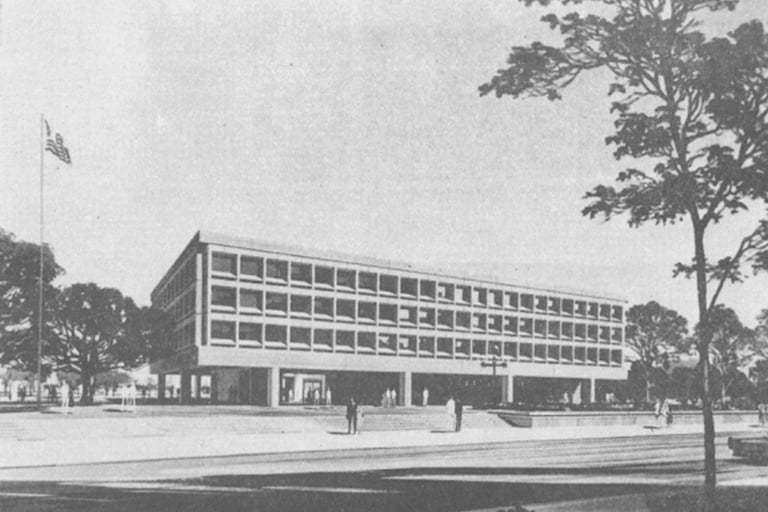
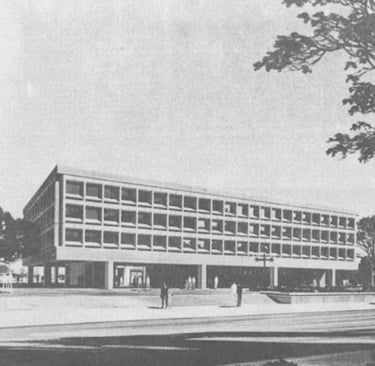
1) 1969 - American Embassy
2) 1986 - Detachment Photo with Ambassador
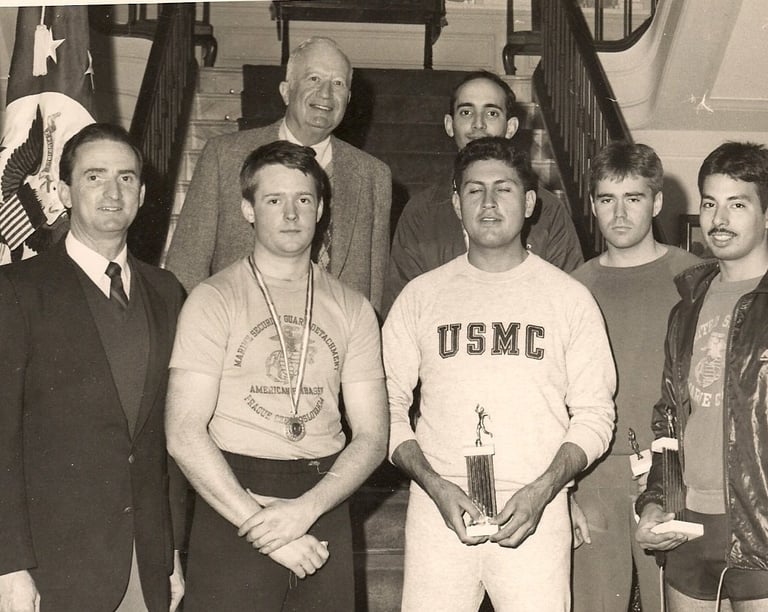
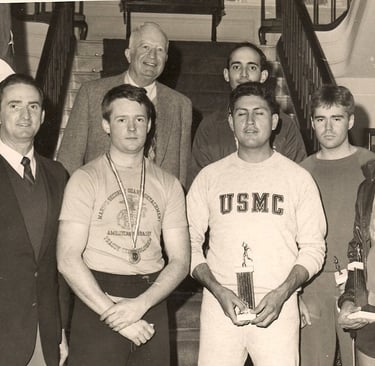
US Embassy Montevideo, Uruguay
Contact msghistory
Leave comments or historical information. Be sure to add any detail - names / dates